

When applying for jobs, one of the most impactful ways to showcase your skills and experience is through a digital portfolio. Including a portfolio along with your resume and cover letter can significantly improve your chances of landing an interview. But simply having a portfolio isn’t enough—it needs to be well-crafted, professionally presented, and tailored to highlight your strengths. In this guide, we’ll cover why a digital portfolio is essential, what it should contain, and how you can create one that stands out.
What Is a Digital Portfolio?
A digital portfolio is an online collection of your work, accomplishments, skills, and experiences. Unlike a traditional paper-based portfolio, a digital portfolio is accessible online, which allows you to present your work in a modern, visually appealing, and easily shareable way. A digital portfolio may include documents, images, videos, presentations, and other media that highlight your talents and qualifications. For professionals like designers, writers, photographers, and marketers, a digital portfolio is an essential tool to showcase work samples and prove your capabilities to potential employers, clients, and collaborators.
Why You Need a Digital Portfolio
Creating a digital portfolio is a highly effective way to represent your skills and stand out in a competitive job market. Here are some reasons why a digital portfolio is beneficial:
- Easily Accessible: Employers can access your portfolio anytime and anywhere, which allows you to reach a broader audience.
- Supports Various Media Formats: A digital portfolio supports a variety of file types, including videos, PDFs, photos, and presentations, which enables you to showcase your work more creatively.
- Easy to Update: Unlike printed portfolios, a digital portfolio can be updated anytime, allowing you to add new projects or achievements effortlessly.
- Cost-Effective: It eliminates the need for printing and purchasing portfolios, saving you money.
- Environmentally Friendly: Since it’s online, a digital portfolio reduces paper use, making it a more sustainable choice.
- Shareable: You can share your portfolio with potential employers, collaborators, and clients around the world with just a link.
- Professional Image: A well-designed digital portfolio presents you as a modern, tech-savvy professional who is serious about their career.
Steps to Create a Digital Portfolio
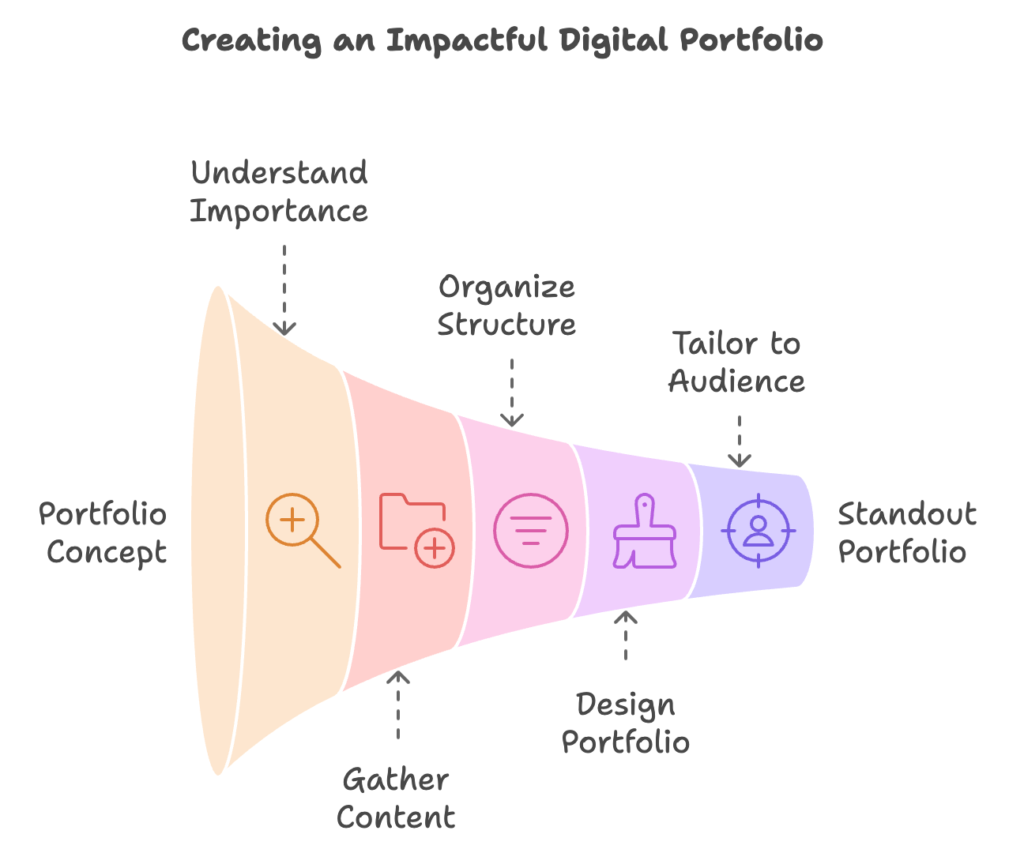
Creating a digital portfolio may seem overwhelming, but it doesn’t have to be. Here’s a step-by-step guide to help you build a portfolio that will showcase your abilities and make a strong impression.
1. Choose the Right Platform
Your first step is to decide where you want to host your digital portfolio. There are multiple options available:
- Social Media: For a zero-cost option, consider social media platforms like LinkedIn, Instagram, or Twitter. Each platform has its own strengths:
- Instagram: Ideal for artists, photographers, and visual creators.
- LinkedIn: Best for professionals in corporate and office environments, such as marketers, developers, and consultants.
- Twitter: Useful for writers, journalists, and those looking to build a network in a specific field.
- Personal Website: The best option, however, is to create a dedicated portfolio website. A personal website gives you full control over the design and content, allowing you to showcase your work in a custom way that suits your brand. With a website, you can also organize your documents, photos, and videos effortlessly. Plus, a website makes a strong professional impression and allows for greater flexibility and creativity.
2. Gather Your Content
Once you’ve chosen a platform, it’s time to gather the content you want to include. Take a moment to reflect on your skills, experiences, and accomplishments. Here’s what to consider:
- Identify Your Strengths: Think about the skills and talents you want to highlight. Ask yourself, “What am I best at? What sets me apart from others in my field?”
- Collect Work Samples: Gather examples of your best work, whether it’s project case studies, images, reports, presentations, or code snippets. Include work that demonstrates your expertise, creativity, and value.
- Create Context: Don’t just upload work samples without explanation. Provide context for each piece. Describe your role, the goals of the project, and any challenges you overcame. This helps potential employers understand your problem-solving skills and the impact of your work.
3. Organize and Structure Your Portfolio
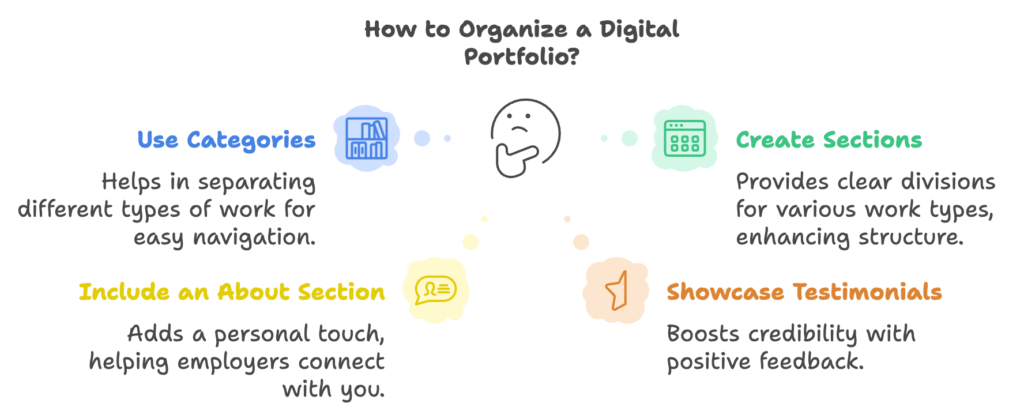
Your portfolio should be easy to navigate and well-organized. Use categories to separate different types of work or projects. Here are some tips:
- Create Sections: Divide your portfolio into relevant sections such as “Projects,” “Photography,” “Writing Samples,” or “Design Work.”
- Include an About Section: Add an “About” page where you introduce yourself, describe your background, and explain what makes you unique. This personal touch helps employers connect with you on a deeper level.
- Showcase Testimonials: If you have testimonials from clients, employers, or colleagues, include them in your portfolio. Positive feedback from others boosts your credibility.
- Make It Interactive: If possible, add interactive elements, such as links to live projects, embedded videos, or downloadable PDFs.
4. Build and Design the Portfolio
The visual presentation of your portfolio is essential. A clean, professional design ensures that your work shines and that visitors have a positive user experience. Keep the following in mind:
- Keep It Simple: A minimalist design with plenty of white space allows your work to take center stage. Avoid clutter and distractions.
- Use High-Quality Images: High-quality images make a strong impact. Avoid pixelated or low-resolution visuals.
- Choose a Consistent Theme: Stick to a consistent color scheme, typography, and layout throughout the portfolio to create a cohesive look.
- Optimize for Mobile: Ensure your portfolio is responsive and looks great on both desktop and mobile devices, as recruiters and clients may view it on their phones.
5. Include a Contact Section
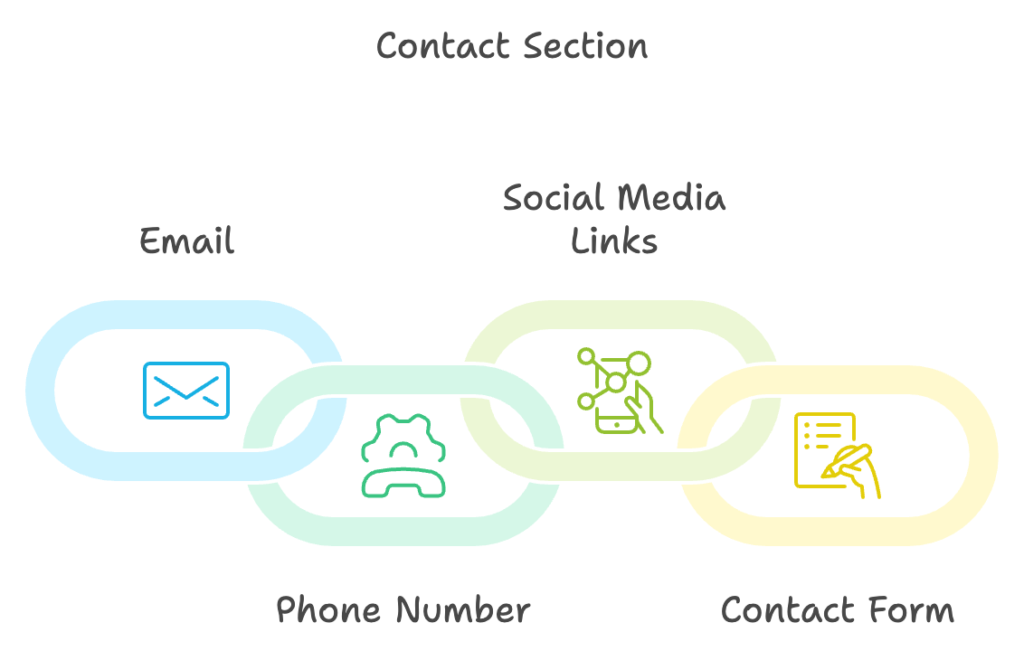
Your portfolio should make it easy for people to reach out to you. Include a dedicated “Contact” page with your email, phone number, and links to social media profiles. A contact form is also helpful for potential employers or clients who may prefer to reach you directly through your site.
6. Share and Promote Your Portfolio
Once your portfolio is ready, share it! Here are some ways to promote your digital portfolio:
- Add it to Your Resume: Include the link in your resume, cover letter, and LinkedIn profile.
- Email Signature: Add the portfolio link to your email signature.
- Networking Events: Share it with people you meet at networking events, career fairs, or conferences.
- Social Media: Post about it on social media platforms to let your network know it’s live.
- Apply for Jobs: When applying for jobs, always attach your portfolio link to applications.
Example of a Great Digital Portfolio
A great example of a digital portfolio is Bear Grylls’ personal website BearGrylls.com. His portfolio site provides a complete overview of his career, projects, and achievements. The website features compelling visuals, personal insights, and detailed information about his background and expertise. Reviewing portfolios like this can offer inspiration and ideas for your own site, helping you to structure and design an impressive portfolio.
Tips for Making Your Digital Portfolio Stand Out
To make your portfolio memorable, consider the following tips:
- Focus on Quality Over Quantity: Only include your best work. It’s better to have a small selection of high-quality projects than to overwhelm with too many pieces.
- Highlight Recent Work: Employers want to see recent work that reflects your current skills and experience.
- Tell a Story: Use each project as an opportunity to tell a story about your skills, achievements, and growth as a professional.
- Update Regularly: Make a habit of updating your portfolio regularly with new projects or achievements to keep it fresh and relevant.
- Include a Call to Action: End with a call to action, such as “Get in Touch” or “Hire Me,” encouraging visitors to reach out.
Conclusion
Creating a digital portfolio is one of the most effective ways to showcase your work, skills, and professional identity. A well-designed portfolio can set you apart in a crowded job market, demonstrate your expertise, and ultimately help you land the job you want. While building a portfolio requires effort and thoughtful planning, the payoff is worth it.
By carefully curating your work, organizing it effectively, and presenting it in an engaging and professional format, you’re taking a powerful step toward career success. Whether you’re an artist, writer, developer, or professional in another field, your digital portfolio can become a valuable asset that opens doors to new opportunities.
So, go ahead, start building your portfolio today. Let it be the beacon that shines a light on your talents and helps you reach your career goals. Good luck!

